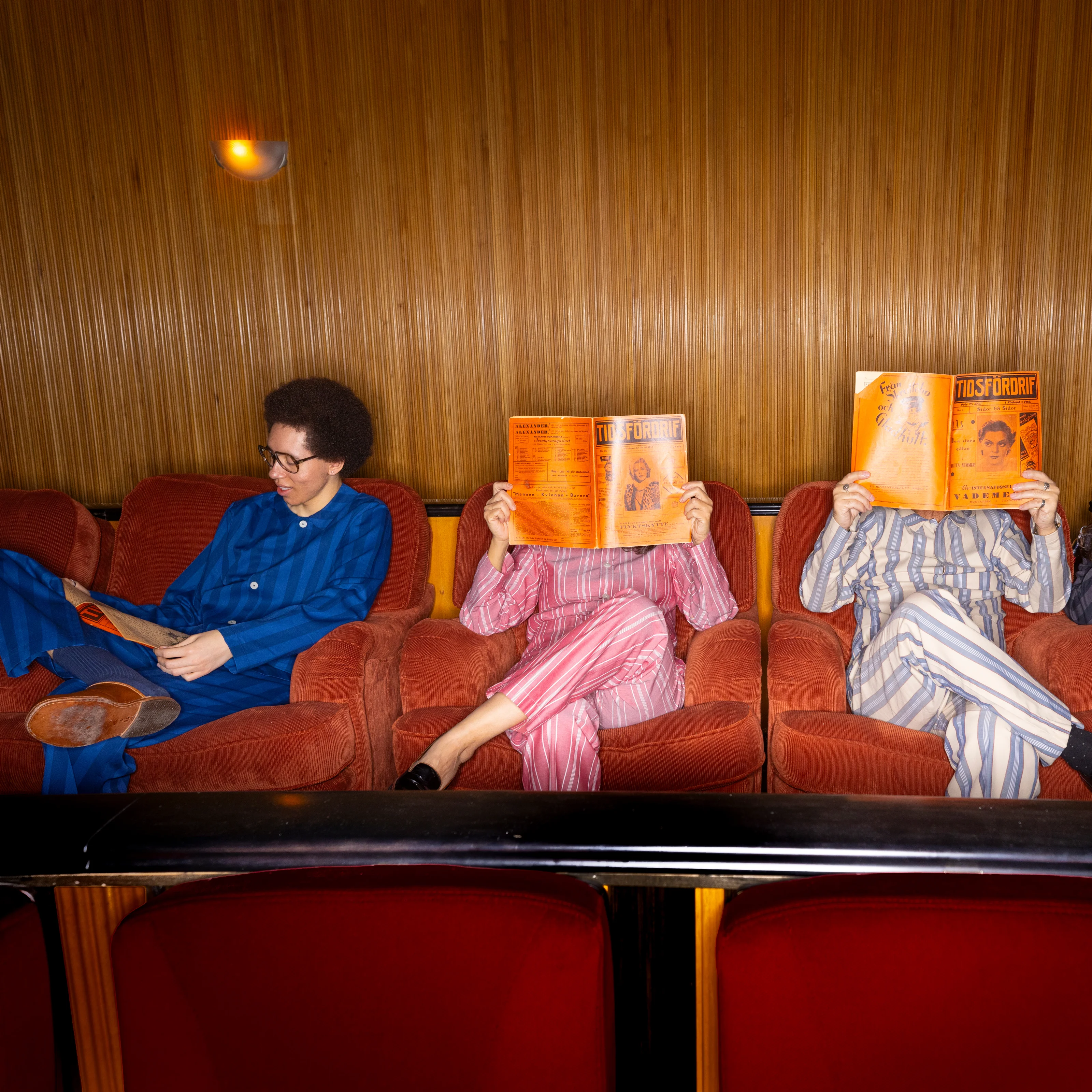
Before stripes became associated with different meanings and charged with symbolism, they didn’t really mean much at all.
In ancient Egypt, Greece, and Rome, people wore clothes with simple geometric patterns or decorative bands, sometimes including stripes. At this period, stripes were just stripes.
Examples & facts
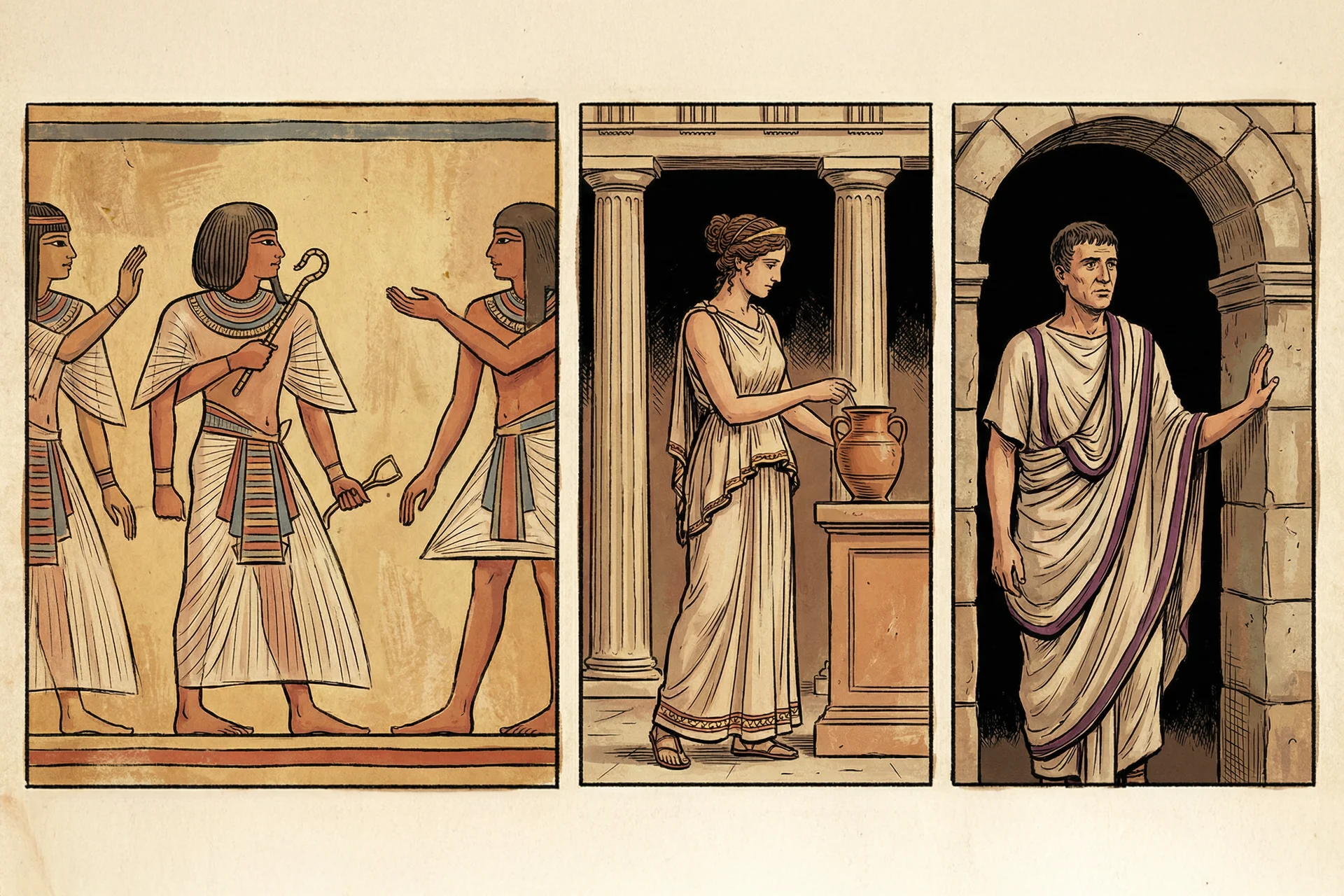
One day, stripes found themselves right in the spotlight with a single puzzling line from the Bible.
Deuteronomy 22:11 warns against wearing garments “woven of wool and linen together.”
Later readers took this as a sign that mixing materials — or by poetic stretch, mixing colors in stripes — meant mixing what should stay separate.
So, stripes went from being a harmless fashion detail to a symbol of moral confusion: they got blamed for blurring boundaries.
Examples & facts
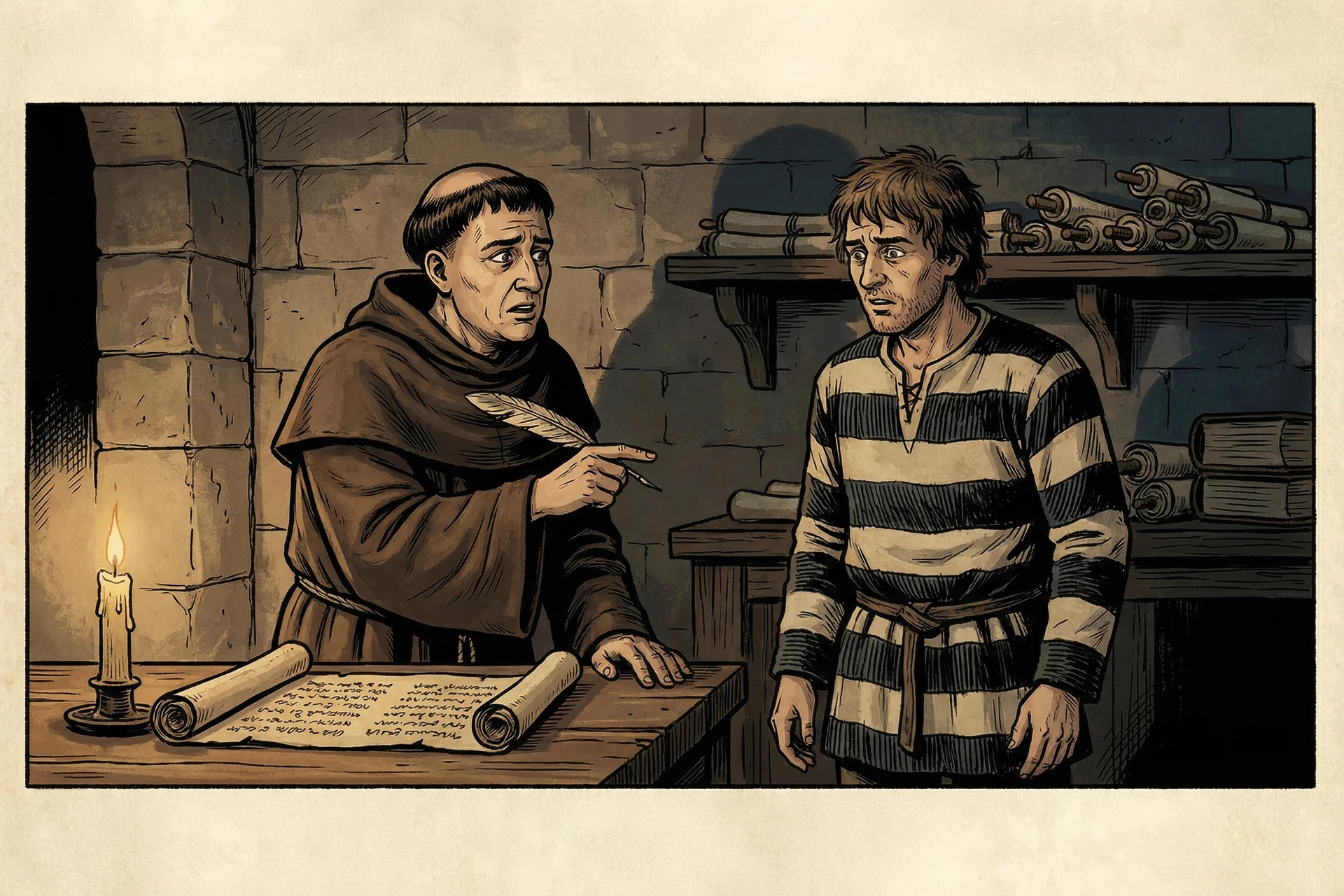
This is where it really gets messy. In medieval Europe, stripes became the mark of outsiders, rule-breakers, and downright villains.
Executioners, lepers, prostitutes, and even court jesters were dressed in stripes to brand them as “other.”
A neat, plain robe meant order and piety; chaotic stripes shouted danger, sin, and scandal.
Examples & facts
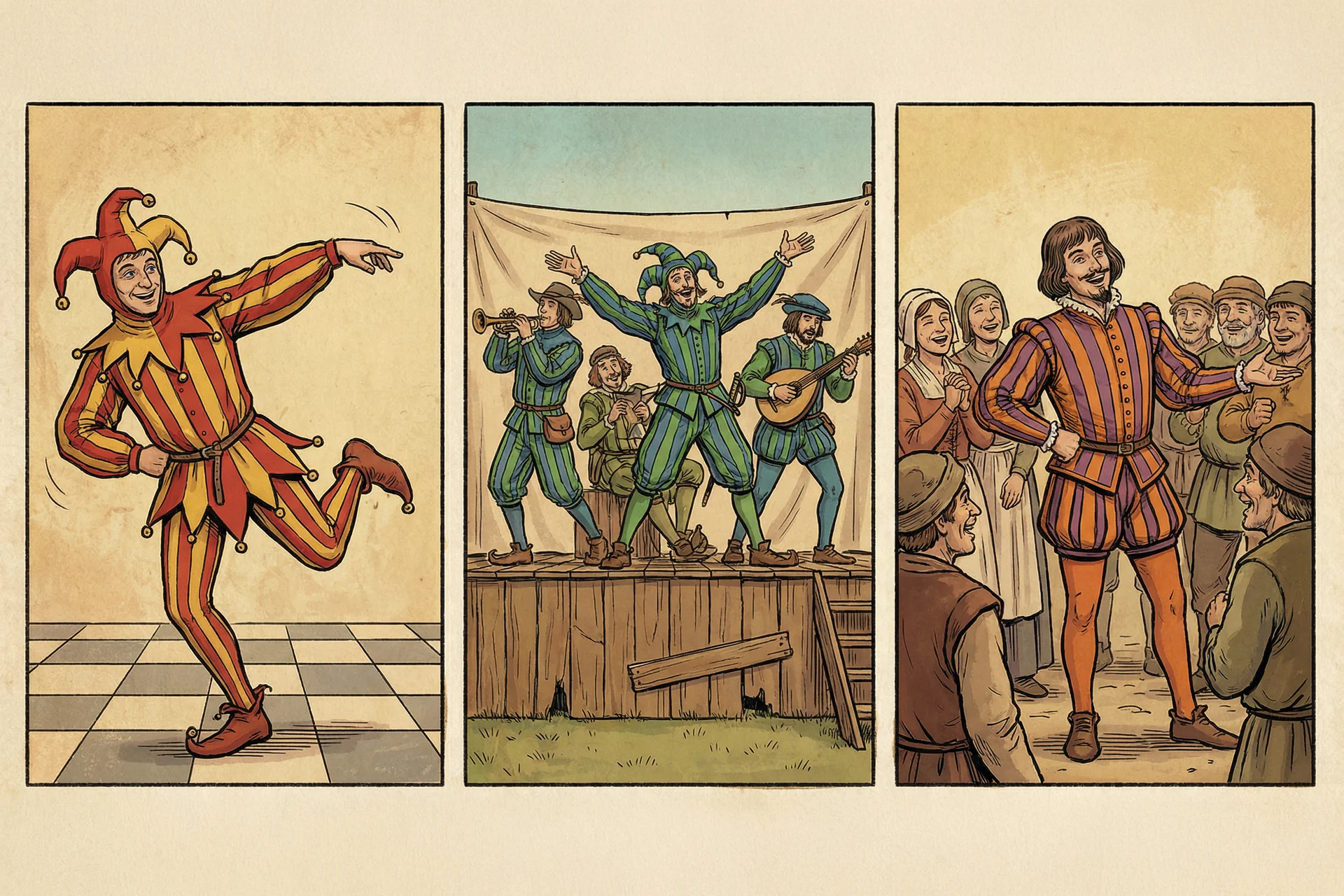
Theater folk were society’s official outsiders - perfect candidates for stripes. Court jesters and traveling performers wore them to be seen from afar and signal playful rebellion.
Examples & facts
After centuries in the shadows, stripes made an unexpected comeback. In the 18th century, the French navy adopted the now-iconic marinière, a blue-and-white striped shirt that made sailors visible if they fell overboard.
Then came the revolutions. In 1789, French revolutionaries embraced stripes as a democratic statement: equal lines repeating endlessly, just like the idea that every citizen should be equal before the law.
Examples & facts

From roaring 1920s gangsters to sober bankers, stylish film icons and jazz musicians, pinstripes became synonymous with both power and style.
The width and spacing of stripes often signaled subtle social cues: finer stripes for conservative business wear, bolder stripes for more flamboyant looks.
Even today, a well-cut pinstripe suit carries an aura of both tradition and quiet rebellion — a classic never completely out of style.
Examples & facts

The medieval view of stripes as the mark of an outcast came to life again along with the prison uniform.
Bold, broad horizontal stripes in stark black and white or other contrasting colors turned inmates into walking warnings: impossible to miss, instantly recognizable if they tried to flee.
This was not just about practicality but about shame and social exclusion. The striped prison uniform became a powerful symbol of punishment, control, and loss of individual identity.
In Nazi concentration camps, prisoners were forced to wear coarse, striped uniforms that stripped them of individuality and dignity. That grim image still haunts the pattern’s history.
Examples & facts
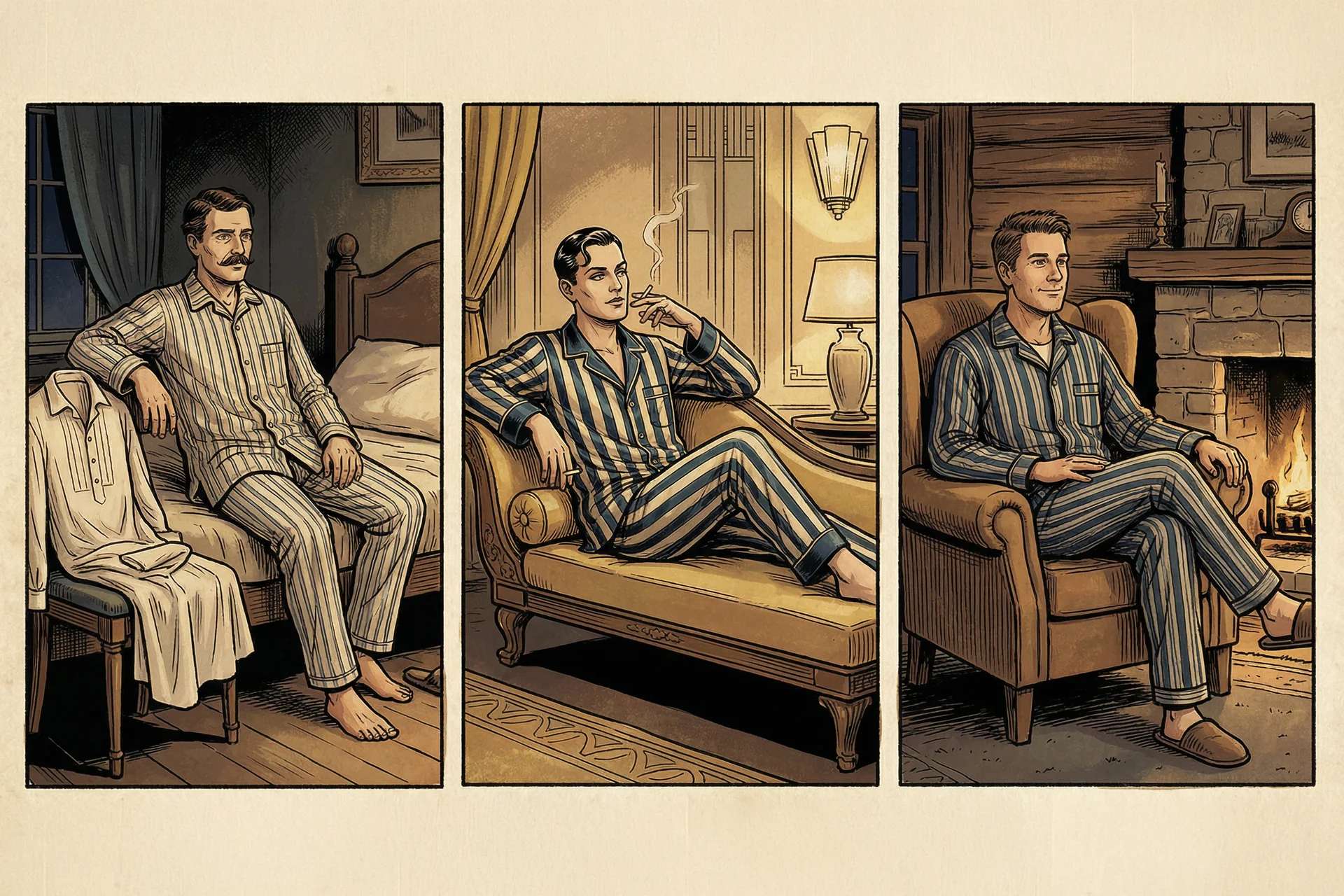
At the end of the 19th century, stripes found yet another home in the cozy world of pajamas and loungewear.
European men started trading their stiff nightshirts for looser two-piece “pajamas,” inspired by Indian garments.
Vertical stripes made these new garments look tailored, yet relaxed — sharp enough to feel dressed, soft enough for bed.
Examples & facts
Nowadays, stripes are everywhere — and mostly harmless.
Nautical shirts, business suits, bold designer prints: stripes can look classic, edgy, playful, or elegant.
While dark shadows from the past still lingers to some extent, they’ve gone from cursed to chic, taboo to timeless.
Examples & facts:

With all this in mind, it is safe to say that when you slip into your striped PJs, you’re wrapping yourself in a centuries-old story of symbolism that
have consisted of both ups and downs.
We at Nufferton hope you will enjoy the playfulness and creativity that we see as the signum of our stripes.
After all, the world is your lounge — arrive there in style.